


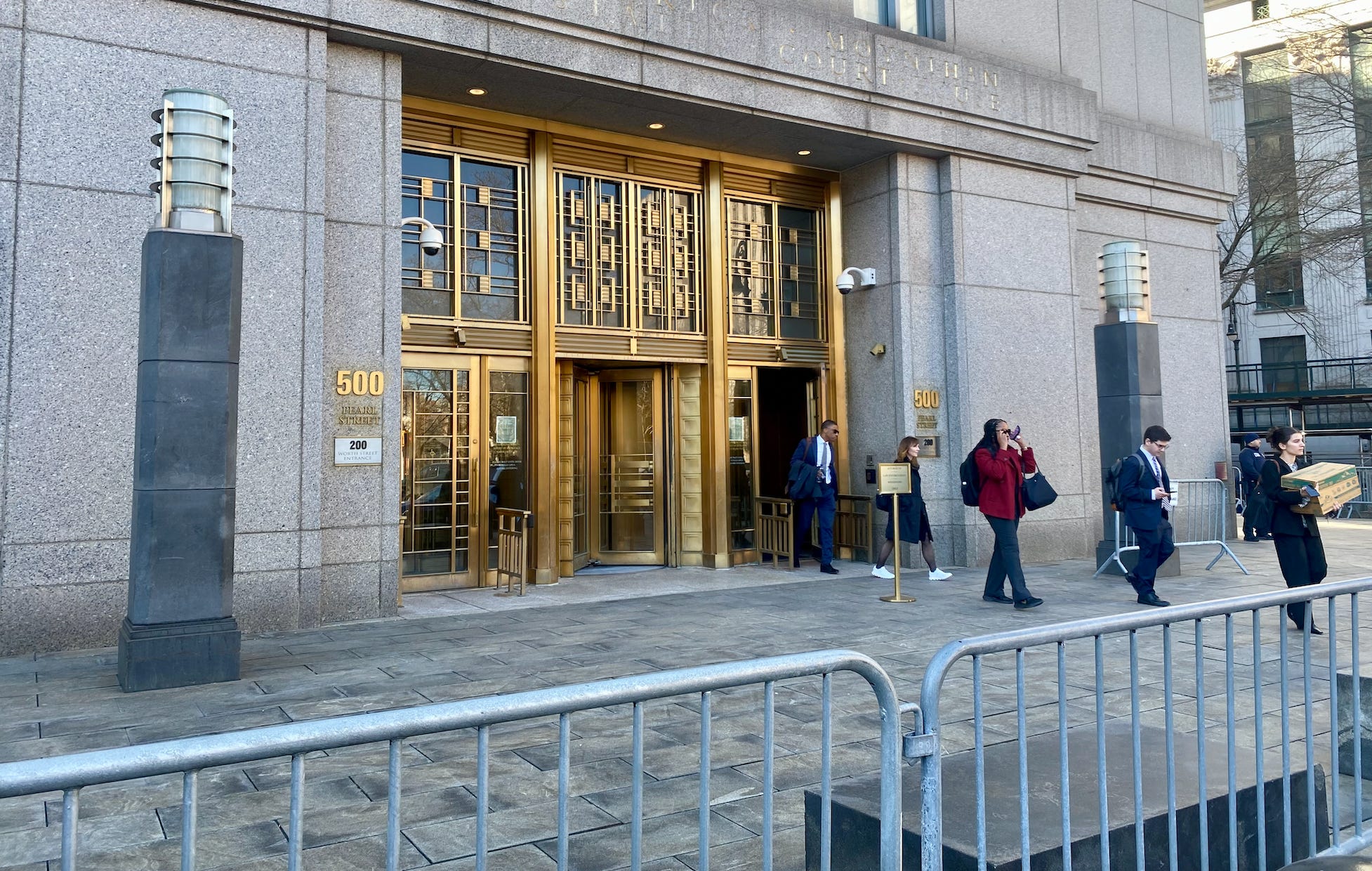
Today the Live Nation antitrust case descended into further chaos, just one day after the DOJ and Live Nation announced a sweeping settlement, which was reached a week into trial without the knowledge of the judge or the involvement of any of the 40 states who are co-plaintiffs in the case.
Arun Subramanian, the federal judge presiding over the case, ordered the remaining plaintiffs (the states) and Live Nation into emergency settlement talks through the end of the week. If they fail to reach a deal, the trial could resume next Monday, this time without the federal government participating.
In the meantime, amid concerns that the states lack the resources to backfill the absence of 40 DOJ litigators, the state AGs have hired heavy-hitter Jeff Kessler, co-executive chairman of law firm Winston & Strawn, as lead counsel.

Subramanian opened Tuesday’s proceedings by continuing his rebuke of the DOJ and Live Nation for signing their settlement agreement under the cover of darkness. According to the judge, the parties executed a term sheet last Thursday but allowed the trial to continue as scheduled the following day. Counsel for both parties even met with the judge in chambers Friday without mentioning that a deal had been signed. Subramanian said he did not learn of the agreement until Sunday night, and he did not see the document until Monday morning, when he requested it.
What’s more, several lawyers actively trying the case appear to have been unaware that the settlement had been reached, including the DOJ’s lead trial counsel and the Acting Deputy Assistant Attorney General for its Antitrust Division. It’s still unclear exactly when counsel for Live Nation knew of the signed agreement. The judge said it was “mind-boggling,” that trial counsel continued working through the weekend preparing filings and evidentiary submissions while “the leadership of the United States and Live Nation were fully aware they had a signed term sheet and would not be proceeding.”
For now, the settlement binds only the DOJ and Live Nation, not the co-plaintiff states. Under the term sheet, Ticketmaster’s ticketing fees would be capped at 15% and Live Nation would divest its exclusive booking agreements with 13 amphitheaters, though could continue to own and operate them. Notably, the Complaint alleges that Live Nation controls 373 venues globally and more than 265 in North America alone, including 60 of the top 100 amphitheaters in the country. Live Nation would also pay $280 million in damages to the states, but only if they agree to the settlement. There’s a lot more in the term sheet that warrants close review, but several state attorneys general have said its inadequate to resolve anticompetitive concerns.
Naturally, no states have agreed to the terms laid out in the settlement. The states received the proposed term sheet at 4:07 p.m. on March 5, with a requested response by 5:00 p.m. on March 6. When the settlement became public yesterday, the states moved for a mistrial or a stay, arguing that they would need more time if they were to proceed without the help of the DOJ.
Submramanian quickly shut down this argument today, just as he did yesterday. “The states understood that a settlement between the government and Live Nation was contemplated as early as January 29,” he reminded them. By requesting a mistrial now, he said, the states are making an “about-face” based on “their own failure” to prepare accordingly.
Live Nation initially opposed the mistrial/stay request, but reversed its position late Monday night, citing the unusual circumstances of the case. If granted, and no settlement is reached, the states would eventually either resume the case where it left off or start the trial over from scratch. Subramanian declined to rule immediately on the motion and instead ordered Live Nation and the states to spend the week negotiating. He told them that they already had “the right people here, in court” to work it out. He has practically given them full rein of the courthouse, including his robing room and a magistrate judge if requested.
Whether they can actually reach an agreement by the end of the week remains anyone’s guess, but it seems unlikely. The chief of the Antitrust Bureau at the New York Attorney General’s Office could not name all members of the state settlement committee, the group who will be negotiating on behalf of the states. Stunned, Subramanian asked, “How can you not be 100 percent sure who is on the state settlement committee? Maybe that’s part of the problem.”
Live Nation’s confidence in striking a deal with the states was effectively nonexistent. Dan Wall, speaking on behalf of the company, told the court that “The probability of us reaching a resolution this Friday is about 0.” Different states were asking for different terms, he explained, and he still wanted to “stick the landing” with this hypothetical deal. Subramanian wryly reminded him that Michael Rapino had managed to do exactly that with the DOJ in just a couple of days. When Wall doubled down on his pessimism about reaching a deal, the judge quipped, “not with that attitude.”
The hearing ended with a pair of unannounced appearances in the gallery. First, the lawyer for the CEO of AEG Presents — who had been in the middle of direct examination Friday — appeared. His client, now on his way back to Los Angeles, might resume his testimony next Monday with a set of lawyers he has never met. Barely two minutes later, as Subramanian was in the middle of asking the states about outside counsel, Kessler sprang from his seat at the back of the courtroom, waving his arms and shuffling through the rows to announce himself. Subramanian, finally embracing the chaos, let out a laugh.
By the end of the week, we will learn whether the states can reach an agreement with Live Nation, whether the mistrial motion will be granted or if the trial will resume Monday, picking up exactly where it left off (minus the DOJ).
I will write with more updates as they come!