


Yesterday was a pivotal day for the defense in the sprawling Live Nation-Ticketmaster antitrust case, as they attempted to not only rebut the plaintiffs’ damages claims but also to knock them out entirely by disqualifying their expert.
The day began with testimony from Dr. Dennis Carlton, a veteran economist with Compass Lexecon, and ended with Dr. Rosa Abrantes-Metz taking the stand for the second time in this trial—this time responding to allegations of perjury. If successful, the defense could have effectively removed the core of the plaintiffs’ damages claims in one day.
Judge Subramanian seemed to sense the marathon of what was to come when he popped open his Coke can before 9am.
Live Nation Expert Claims No Evidence of Monopoly
Day 20 began with the defense calling expert witness Dr. Dennis Carlton, the well-seasoned economist whose prior controversial testimony in the AA-JetBlue Northeast Alliance case Matt Stoller wrote about in 2023. Carlton argued that if Ticketmaster exercised monopoly power, as the plaintiffs claim, it should appear in the company’s prices or margins for concerts at major concert venues, one of the key markets in this case.
According to Carlton, it does not. He testified Ticketmaster’s gross margins inside the major concert venue market are 66.3 percent. Outside, they’re 69.5 percent. Take rates, which function as a proxy for price, are 5.3 percent inside, 6.4 percent outside (from 2017-2023, excluding 2020).
The argument is appealing, at least if one assumes that market power must reveal itself in increased profits. The reality, however, is that monopoly power — and harm from anticompetitive conduct — do not need to result in higher take rates or margins. Ticketmaster can have monopoly power in the major concert venue market and engage in anticompetitive conduct that harms competitors and fans while also having lower profit margins compared to other markets. We’ll see if the plaintiffs touch on this in their closing argument.
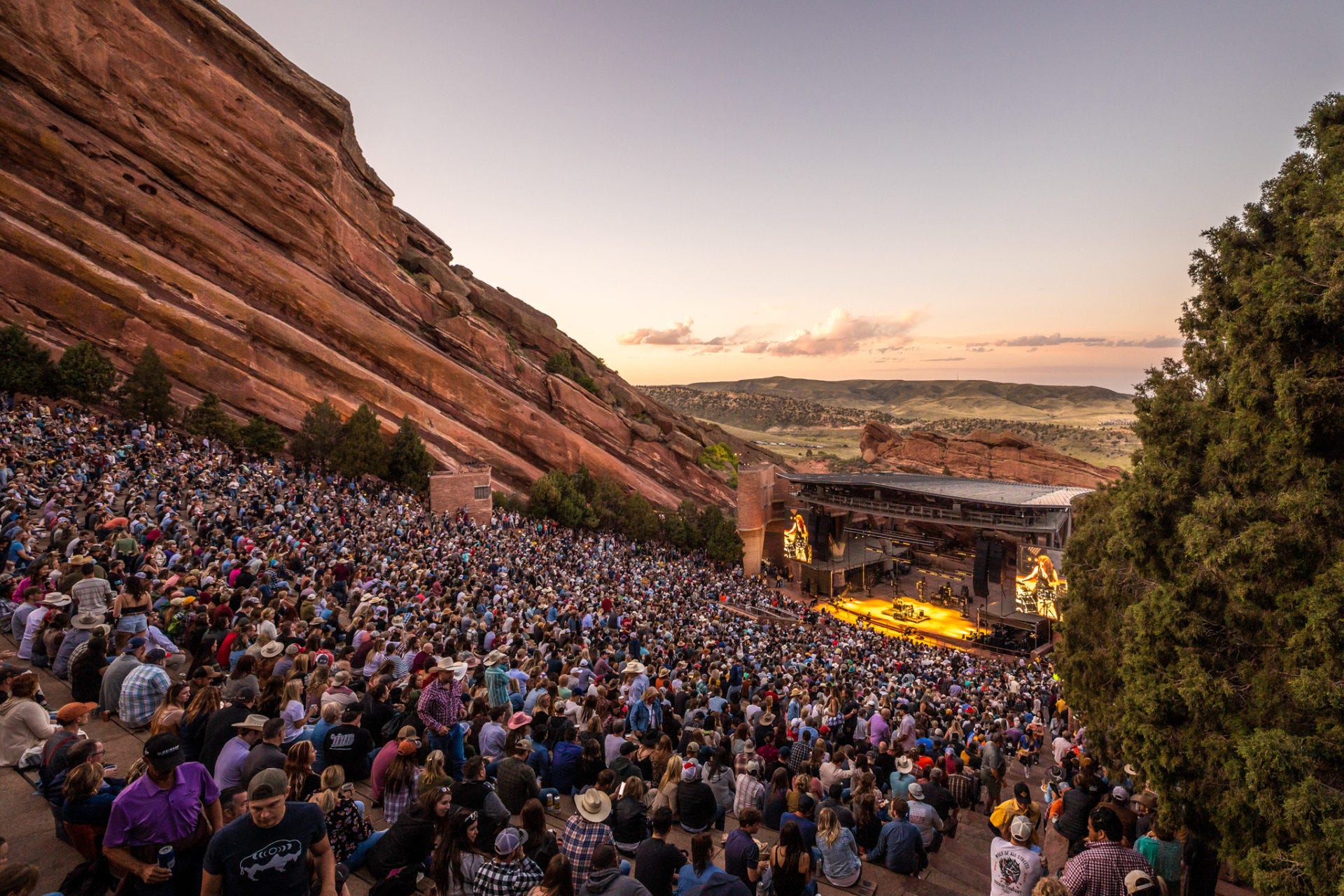
Carlton also challenged aspects of Abrantes-Metz’s analysis. She had concluded that rival ticketing firm AXS had a better ticket-sell rate at concerts than Ticketmaster. Carlton testified that excluding what he characterized as an outlier—the world-famous Red Rocks Amphitheater ticketed by AXS—reversed that conclusion, giving Ticketmaster a higher sell-through rate.
Much of the remainder of Carlton’s testimony was technical and slow. He presented regression analyses more visually confusing than any I’ve seen presented at a trial. He then went through several analogies, including one involving his long-term relationship with his plumber. When you have a reliable plumber, you stick with them, he suggested. Of course, his plumber doesn’t have long-term exclusive contracts or 86 percent of all plumbing jobs in his local neighborhood.
Kessler Unleashed: Cross-Examination
Then came Jeffrey Kessler. He was energized and ready to attack in the most objection-laden cross-examination of this trial. It was courtroom theater to its fullest extent. He pressed Carlton on prior articles he had authored and revisited exhibits showing high Ticketmaster fees and poor quality, giving the jury another chance to absorb these documents.
Amid the barrage of objections and sidebar conferences, Kessler hammered the point that if Ticketmaster’s anticompetitive conduct was present both within and outside the major concert venue market, Carlton’s conclusions would largely collapse.
Abrantes-Metz Back on the Stand to Face Perjury Questions
By the time the jurors left for the day, all levity had left the courtroom with them. Dr. Abrantes-Metz took the stand to address the perjury allegations the defense fired at her last week. If Abrantes-Metz’s testimony is excluded, it’s a major setback for plaintiffs as they seek to quantify a potential award of monetary damages against Live Nation.
Abrantes-Metz was questioned by Judge Subramanian, who appeared, at least provisionally, to accept her explanation about how she interpreted the questions and why her answers were confusing. She essentially said she relied on Live Nation’s instructions simply for understanding its data and thought she was being asked about that on the stand. I wrote all about the defense’s accusation last week.
The rest of the hearing resulted in an extended discussion between the Court and counsel over whether excluding upfront payments in one of her models rendered her conclusions unreliable. It’s a rather technical issue that had been heavily contested before trial. The re-litigation of it very much resembled a statistics class taught by non-statisticians.
Judge Subramanian has yet to rule on Abrantes-Metz’s testimony.
While we’re entering the final days of testimony, the trial is far from over. The defense still has two more days of experts and other witnesses coming in to testify, and the judge still has a slew of motions to consider. Prior to the Justice Department’s departure from the case, trial had been expected to last through this Friday, April 10, then it’s in the hands of the jury. We’ll see if that timeline holds.
In the UK I regularly see artists arrange pop up merch sales in alternative venues on the day of gigs in Live Nation venues to avoid the cut of merch sales that those venues demand - merch is typically 30-40% more expensive in a Live Nation venue than an independent for the customer as a result. I saw the same bands in a Live Nation venue, as support acts on a bill, and a much smaller independent one, as the whole gig, three days apart a couple of weeks ago and the same long sleeve T-shirt dropped from £40 to £30.
Bands are actively working around Live Nation policies that cost them and their fans - they would clearly play elsewhere if there was an elsewhere. I guess this happens in the US and it's pretty clear evidence that there's a monopoly if it does.
It's not directly a Ticketmaster thing at the point of merch sales in gig or choice of venues to play at I suppose so not really in the scope of this trial, unless showing systematic behaviour of the over-arching corporate entity is allowed.
It does demonstrate that the cost to fans of Ticketbastard's fees is just a small part of how we get fleeced when we're stuck in the whole Live Nation ecosystem.
Gigi your amazing! You make reading about an antitrust jury trial interesting and kinda in a story type fashion. And you constantly help me remember and tie different people to each other my old, tired brain has problems with. Excellent, keep up the great work here, your worth the read. Thank you.